
On Wednesday 29 April, the ReNu2Cycle partners hosted a session at the ESNI-NERM 2026 Conference in Brussels. This conference is organised by the Biorefine Cluster Europe (BCE) and the European Sustainable Phosphorus Platform (ESPP) and wants to put nutrient recycling and recovery on the agenda.
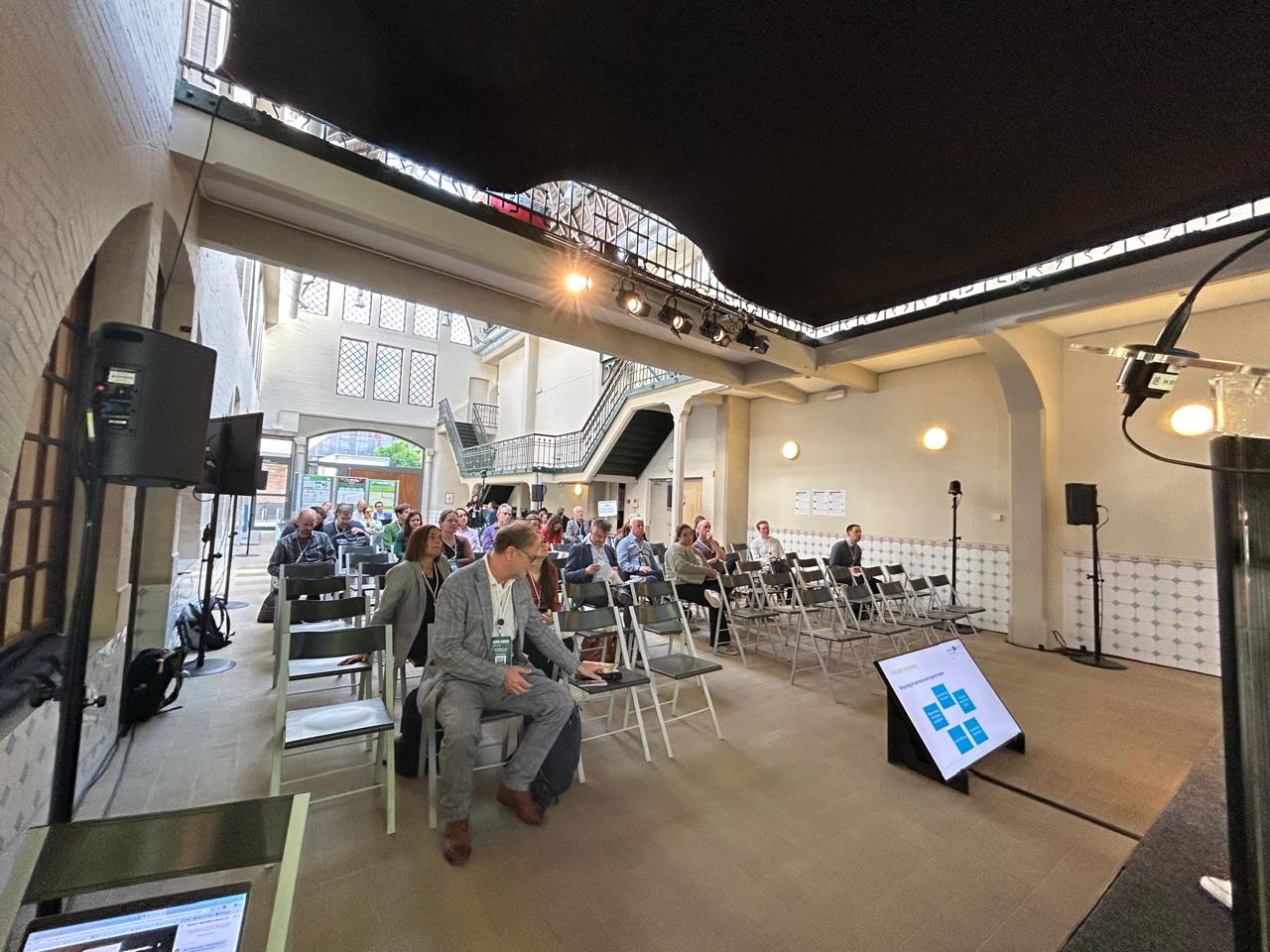
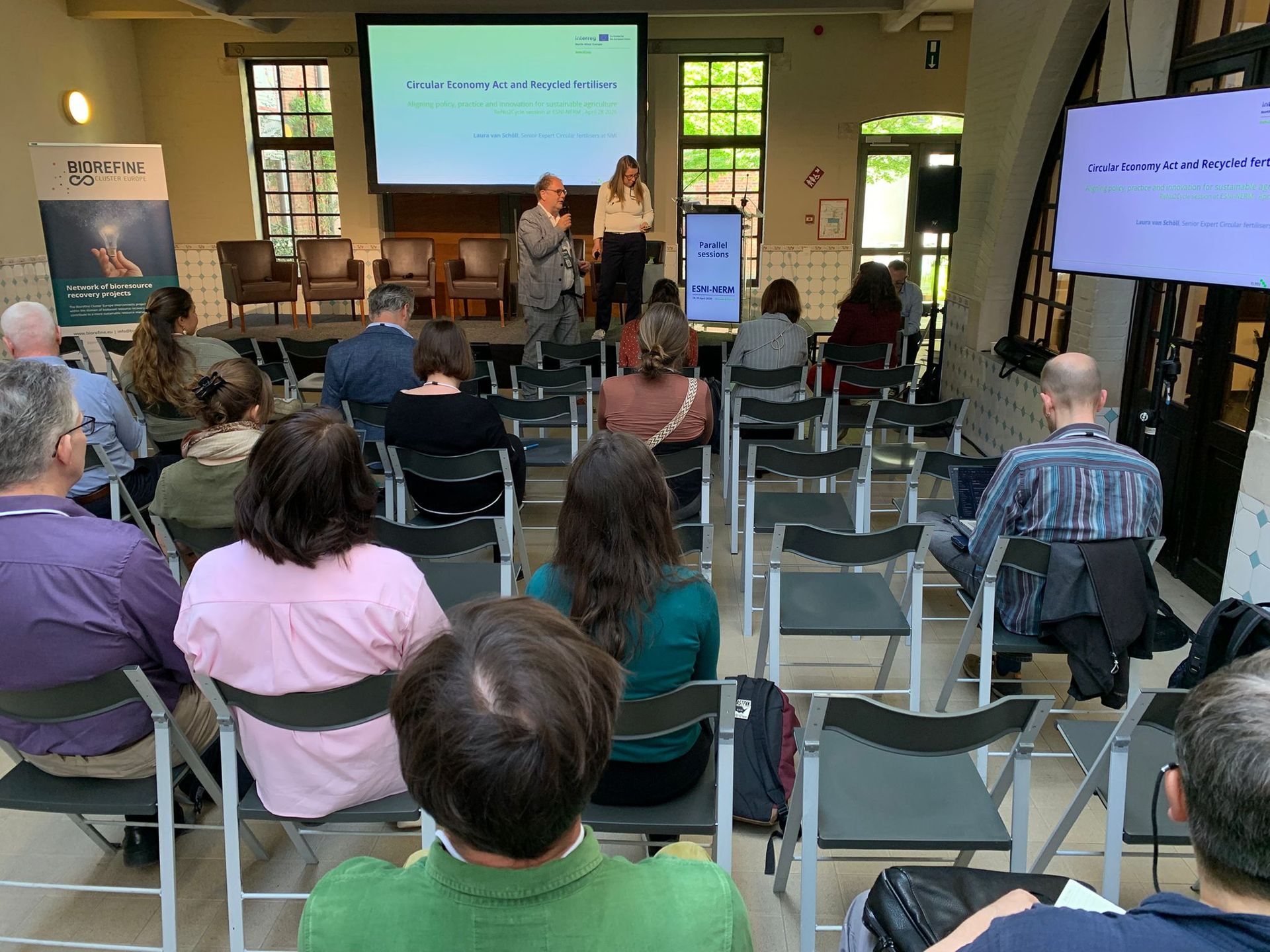
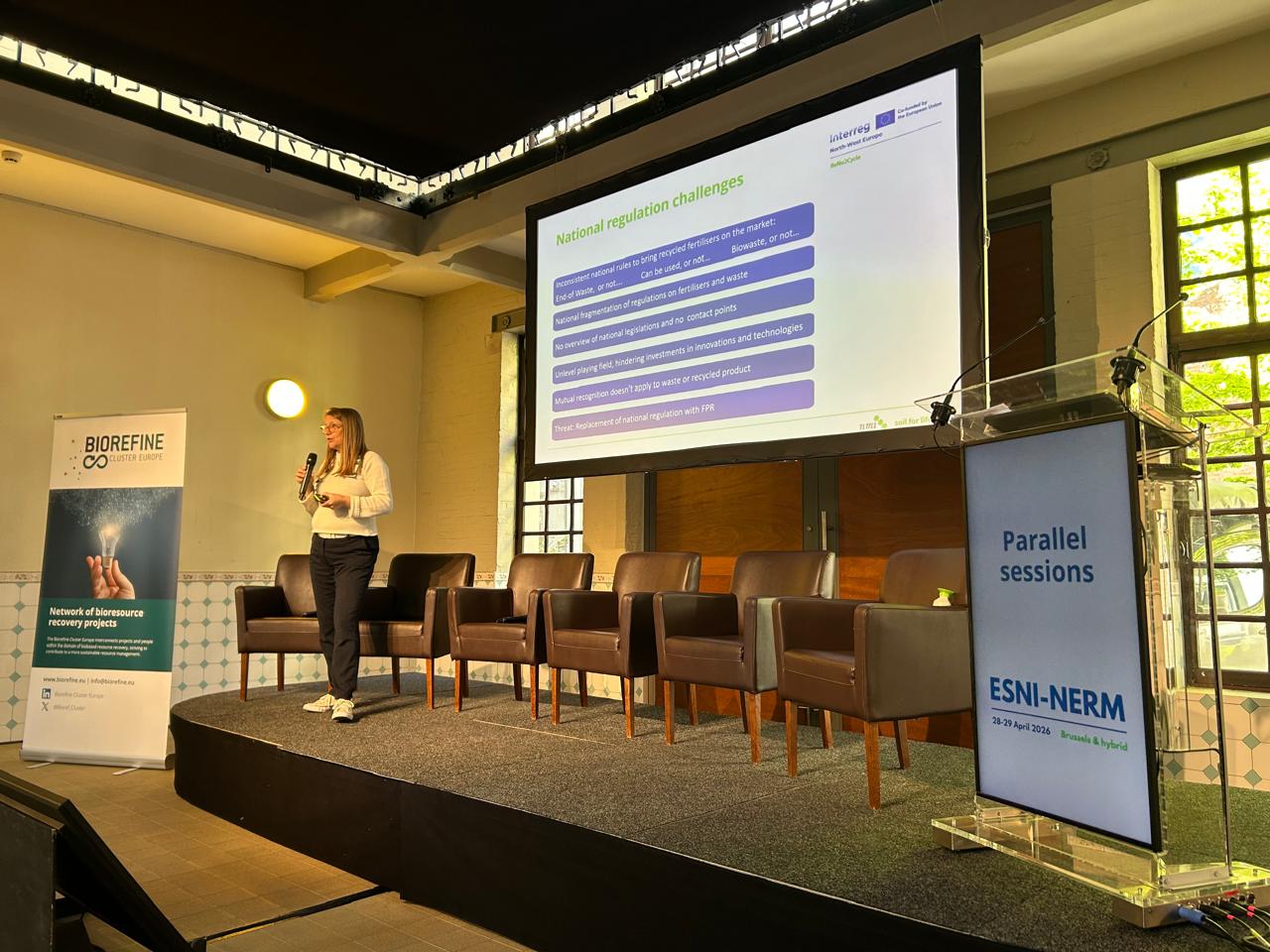
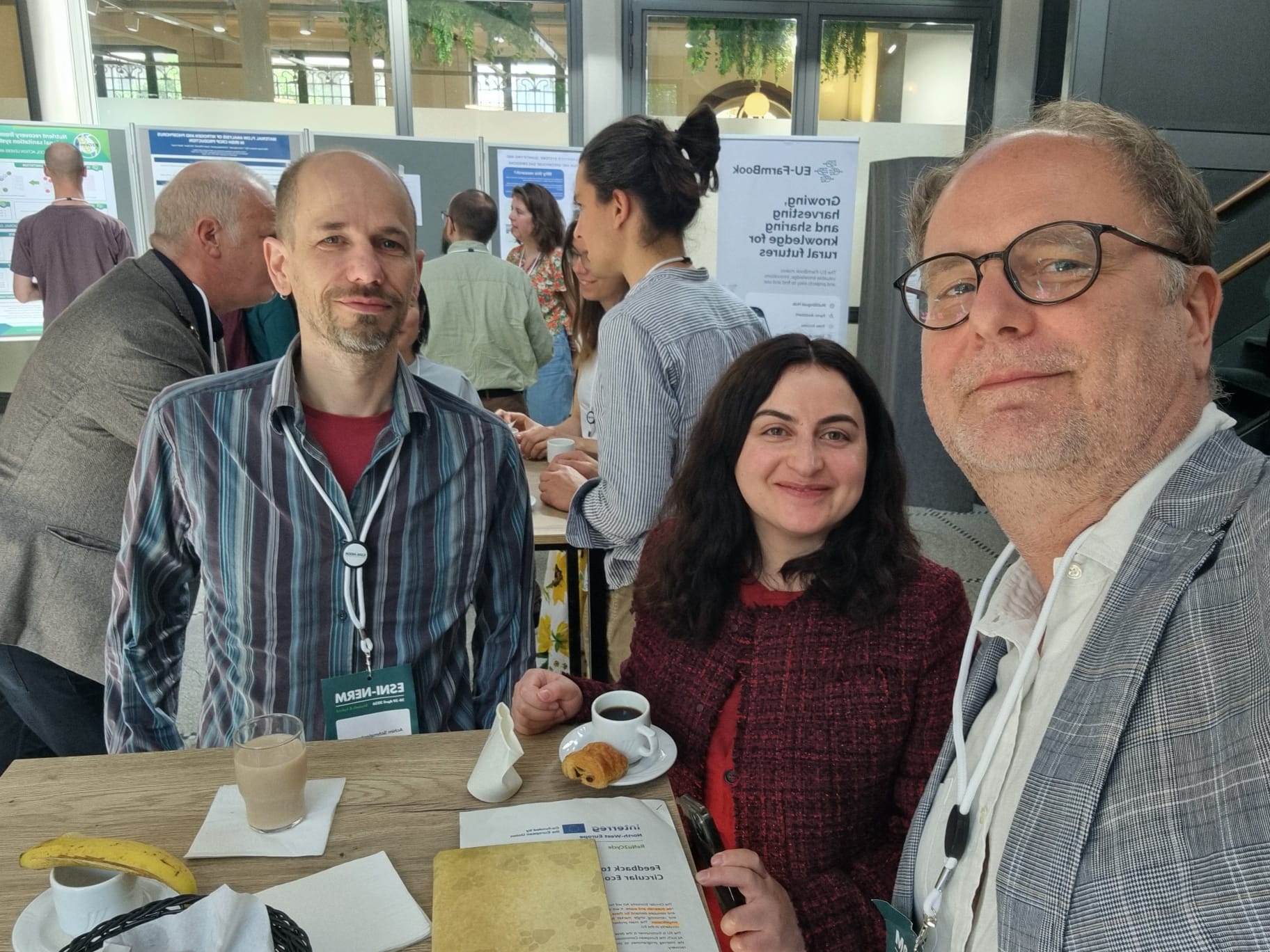
The ReNu2Cycle parallel session focussed on chances and changes that the upcoming Circular Economy Act could offer for the market entry of recycled-derived fertiliser materials.
Mapping the Labyrinth: Key Takeaways
Despite the complexity, the conference proposed a map for navigating these regulatory woods.
1. The Circular Economy Act: A New Compass
Legislation is often a barrier due to a lack of alignment between EU member states. Work within the ReNu2Cycle project has identified measures to clear the path:
• Harmonisation of "end-of-waste" and by-product status across the EU.
• The creation of unambiguous legal definitions and clear guidance documents.
• Mutual recognition for recycled products to allow for seamless cross-border trade.
2. Crossing the "Valleys of Death"
Innovation often stalls between the laboratory and the field. The European Commission’s Agata Kotowska compellingly spoke about two distinct "Valleys of Death" where funding and regulation often fail.
- Valley 1: The gap between a prototype and a market-ready product.
- Valley 2: The leap from commercialisation to full market maturity.
- De-risking: The Bioeconomy Investment Deployment Group is working to provide blended finance to support these critical transitions.
3. The 2040 Vision
On 17 March 2026, the Council backed a vision for a competitive EU bioeconomy by 2040:
- 75 Actions: Between 2026 and 2028, 75 specific actions will be implemented, including a €10 billion private purchase goal via the Bio-based Europe Alliance
- Strategic Autonomy: Phosphorus recover, highlighted by companies like Aquafin and EasyMining Services, is now a pillar of European resource security.
Voices from the Room: Laura van Scholl’s Parallel Session
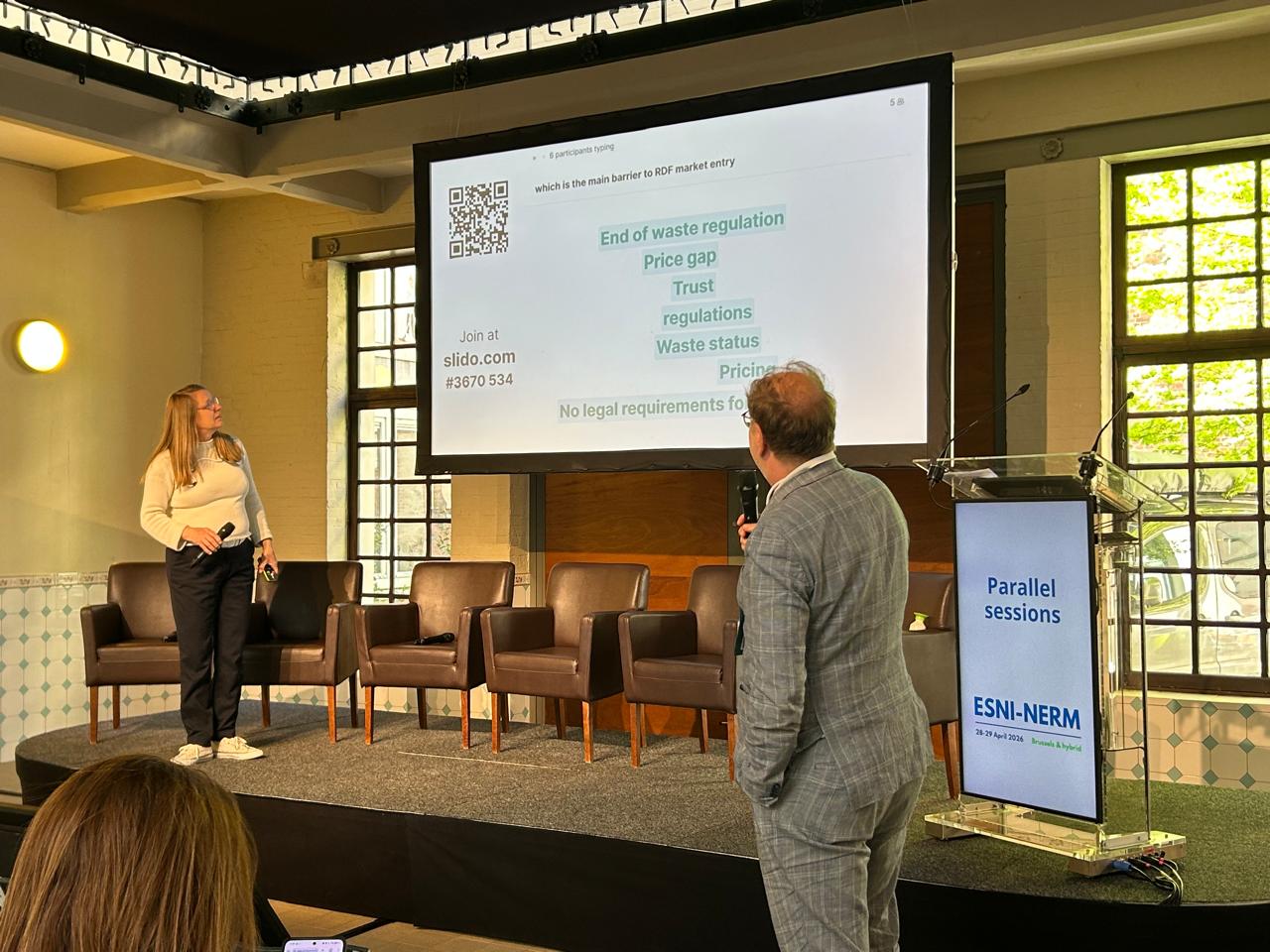
In her deep dive into the Circular Economy Act (CEA) and Recycled Fertilisers, Laura von Scholl (NMI and leader of legal aspects for the ReNu2Cycle programme) engaged the audience to find where the "shoe pinches" most.
The People's Priority
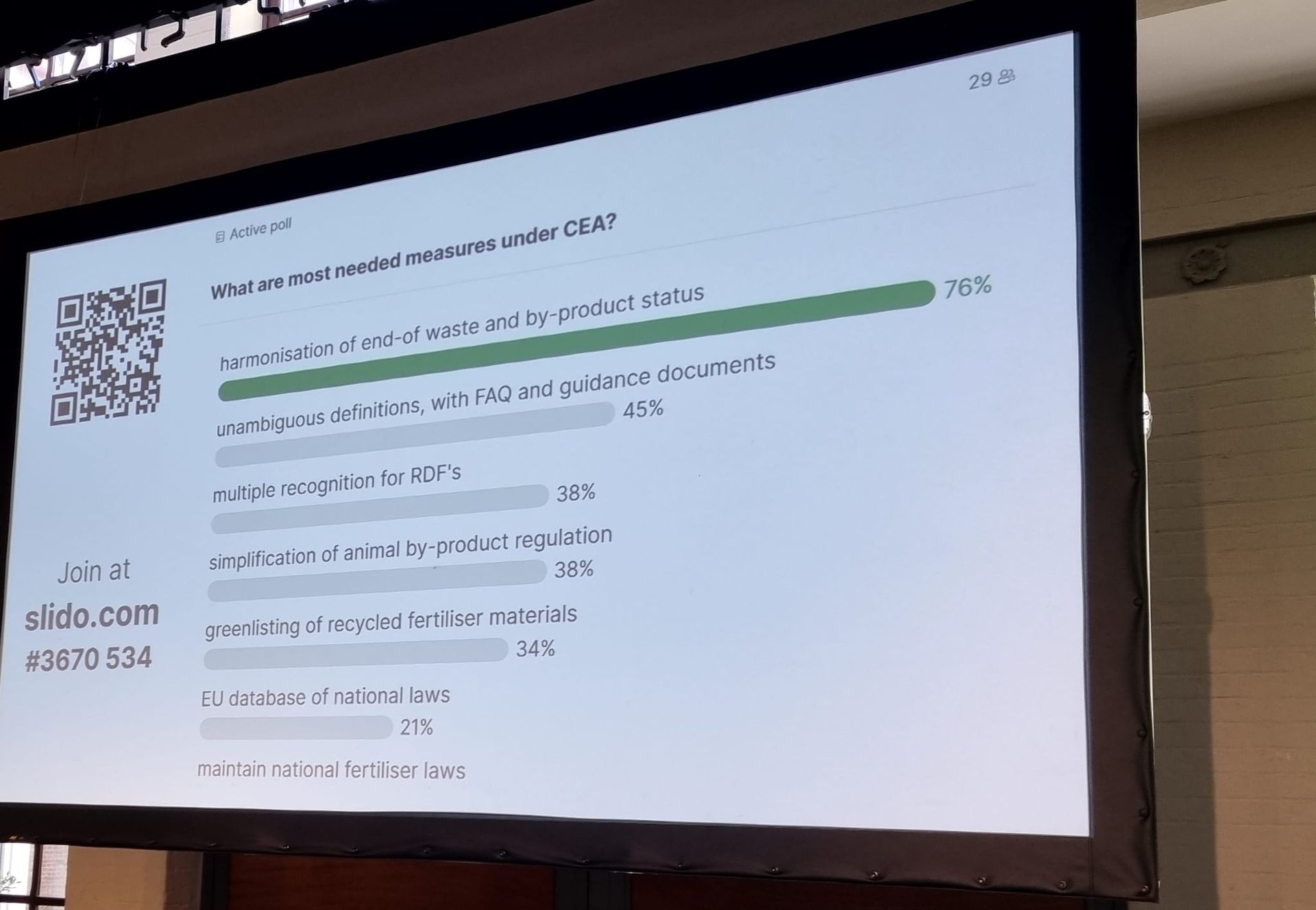
When polled on the most critical measures needed under the CEA, the room provided a clear mandate: Harmonisation of end-of-waste and by-product status. This reflects the broader industry call for unambiguous definitions and mutual recognition across borders.
The Barrier Bracket
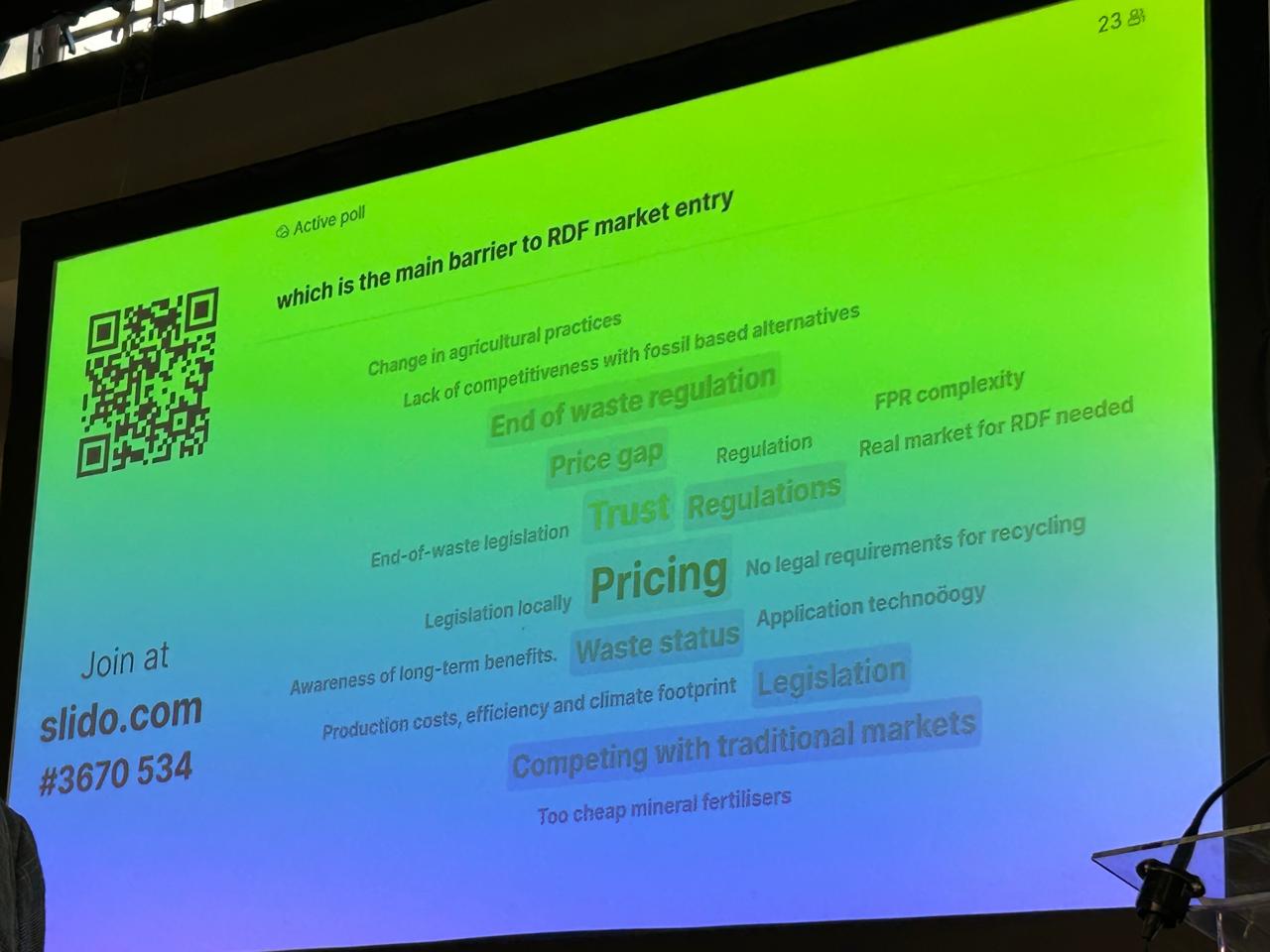
What keeps recycled-derived fertiliser (RDF) from entering the market? The top eight obstacles identified by the audience were:
- Pricing and Traditional Market Competition
- Regulation and Legislation hurdles
- Trust and Waste Status/End of Waste uncertainty
The "FPR" Friction
A noted EU FPR threat was the brewing regulatory storm on the potential replacement of national regulations with the EU Fertilising Products Regulation (FPR). While the EU FPR is a commercial regulation designed for shipping products across borders, it excludes many local nutrient recycling pathways. This is exactly the reason why the uncommon optionally for national regulations beside the FPR was maintained.
Conclusion: From Concept to Field
The journey of a nutrient from a slurry pit to a high-value fertiliser is a voyage of both chemistry and bureaucracy. While in-country "Rulebooks" and EU frameworks are still being finalised, the work of projects like ReNu2Cycle and NUTRI-KNOW are there to ensure that when the laws are ready, the farmers will be too.
As Agata Kotkowska (EC) and Laura van Scholl (NMI) highlighted, the goal is simple: to make the circular choice the easiest, and most profitable choice.
Legislation is often too complex, not aligned between different EU member states, and thereby often a barrier for these secondary raw materials. The ReNu2Cycle partners have been working on these issues and have put forward measures to overcome these barriers.
Key measures were:
- harmonisition of end-of-waste and by-product status
- unambiguous definitions, and FAQ and guidance documents on EU law
- multiple recognition for recycled products
Want to know more about the challenges and proposed measures under the Circular Economy Act? Read our feedback paper in the section Project Results.