
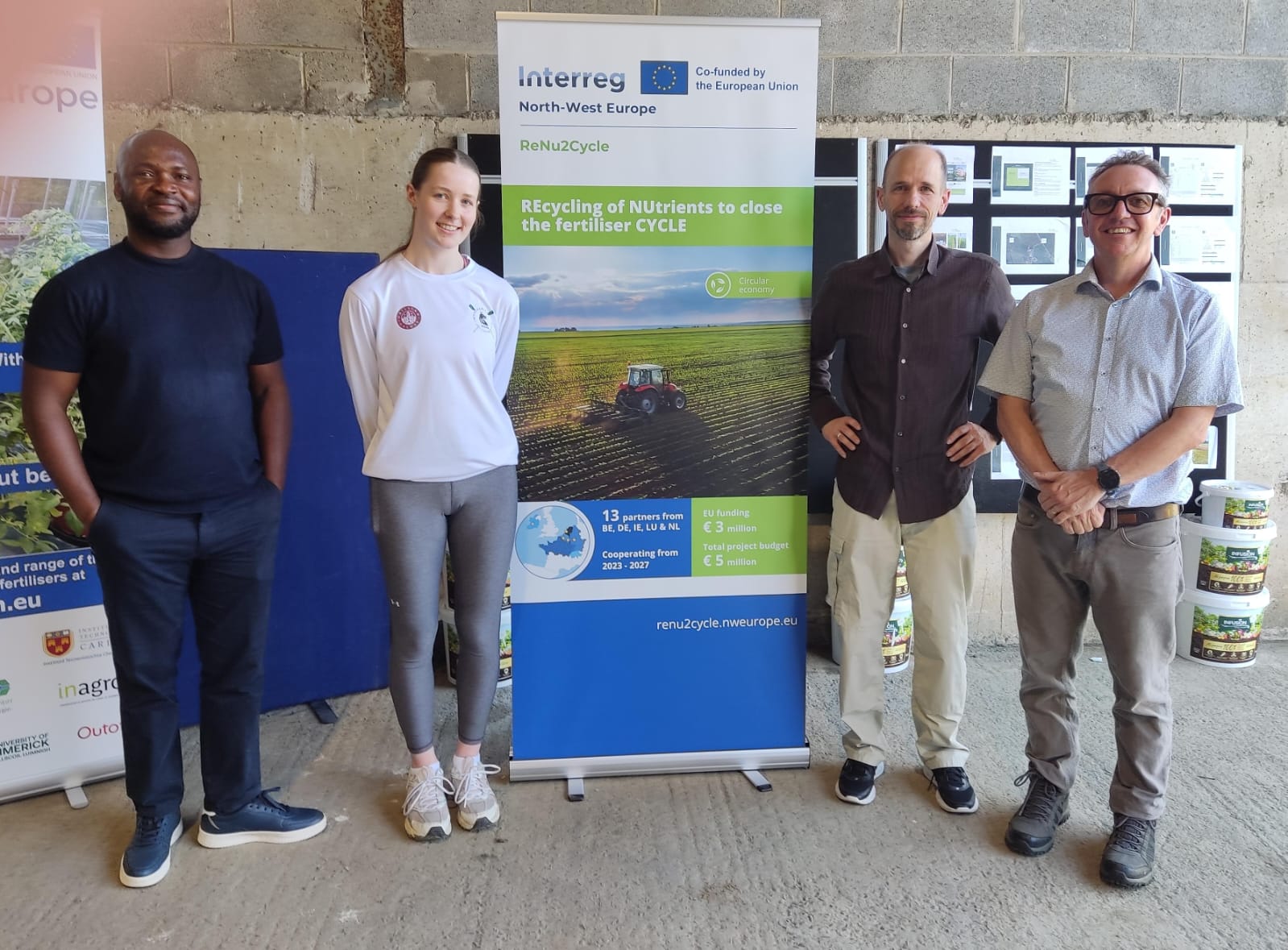
On 8th July 2026, a collaborative field event brought together academic researchers, sustainable technology providers, and major food industry stakeholders for an immersive farm walk at the Louis McAuley Farm in Rathfeigh, County Meath (Ireland).
The event showcased how organic food waste from corporate and commercial catering (and phosphorous recovered from wastewater as struvite) can be successfully transformed into high-performing Recycling-Derived Fertilisers (RDFs). This circular approach aims to drive genuine soil health, support carbon sequestration, and significantly reduce reliance on fossil-based synthetic inputs.
Key Takeaways from the Field Trials
- The Soil Balance 'Sweet Spot': Ongoing agricultural demonstrations reveal that combining specialised RDF blends helps soil achieve an optimal bacteria-to-fungi ratio. This improved biological balance has resulted in denser, taller crop growth and superior moisture retention when compared to traditional mineral NPK applications.
- Protecting Underground Networks: The host farmer highlighted a strategic shift towards a no-plough, direct-drilling approach. This conservation practice preserves delicate fungal networks that function as an extension of the plant roots, effectively unlocking vital nutrients like phosphorus so necessary for optimal grain development.
- Real-World Farm Logistics: Genuine innovation requires operational honesty, and the trial highlighted several practical field challenges. For instance, the lightweight nature of certain RDF components can necessitate dual spreading runs, and seasonal weather anomalies - such as an exceptionally wet spring month - may still require strategic mineral top-ups to maintain crop momentum.
Industry and Operational Perspectives
Managing a circular ecosystem requires strict operational discipline. Event attendees detailed the real-world complexities of operating advanced bio-digestion units at corporate catering sites, emphasising that keeping plastics, cutlery, and physical contaminants out of the organic waste stream is vital to producing clean, high-grade agricultural inputs.
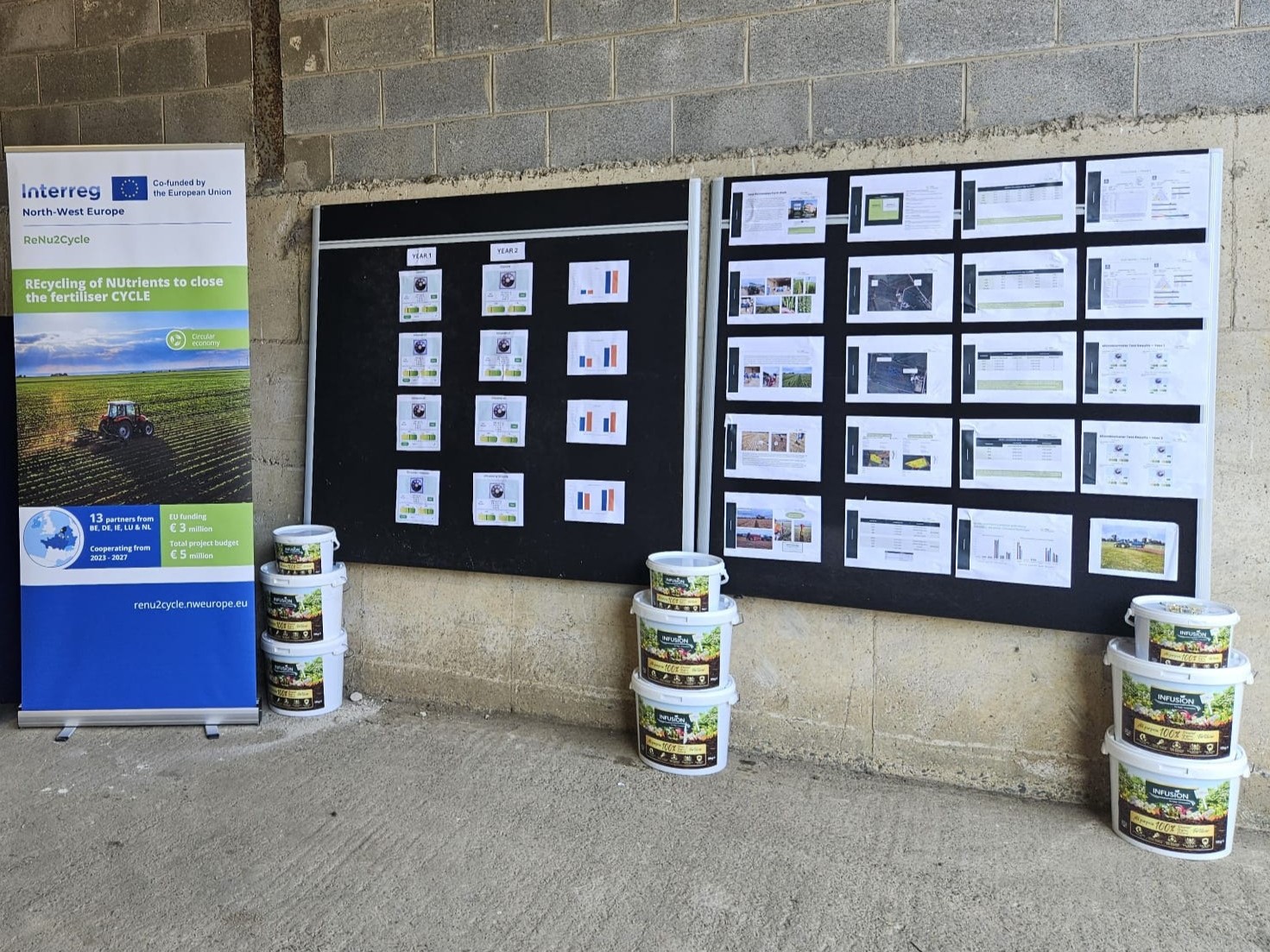
Long-term field trials and laboratory analyses continue to evaluate how these recycled inputs impact crop yields, soil biology, and greenhouse gas emissions over a multi-year timeline. By matching academic insights with practical farming expertise, the initiative is actively proving the business case for a circular nutrient economy that cuts dependency on synthetic imports.
A Collaborative Path Forward
True sustainability cannot be achieved in isolation; it requires a highly connected, collaborative ecosystem. By linking the rigorous insights of leading research universities with the practical expertise of green technology providers, forward-thinking agricultural enterprises, and visionary corporate caterers, the transition toward a landfill-free, carbon-conscious food model is steadily becoming a reality.